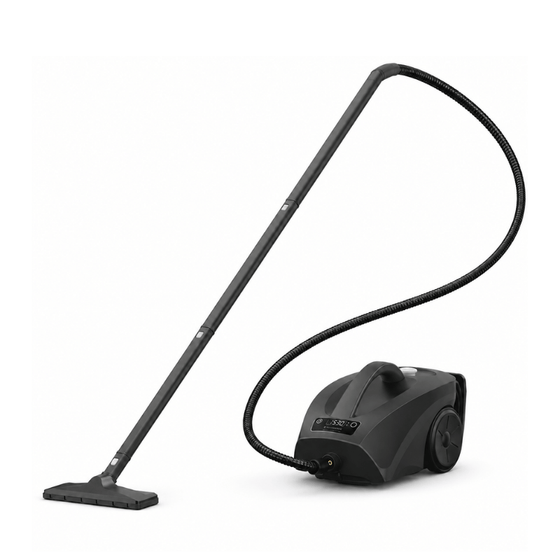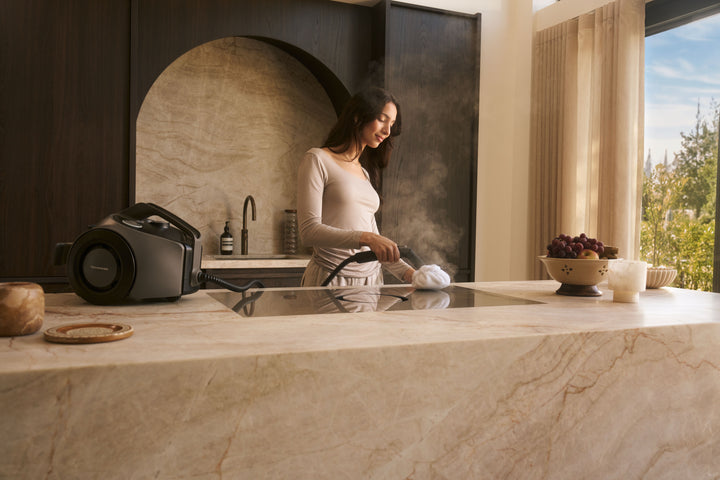

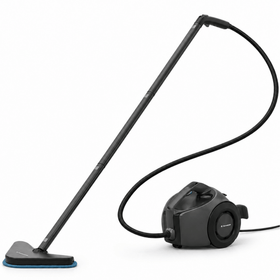
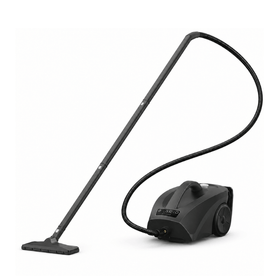
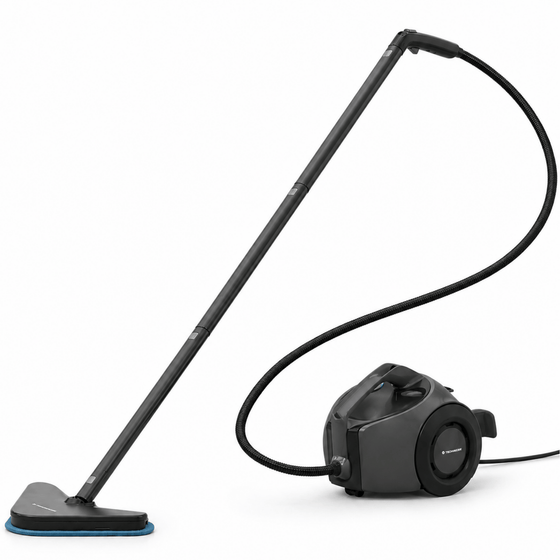

Most popular for the weekly deep clean
€ 269,95€ 179,95

 Furniture/upholstery accessory for steam cleanersPerfect for disinfecting
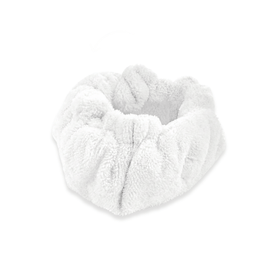 Additional set of 8 brushes TS1 and TS2 Steam CleanerSuitable for all hard surfaces
 2 mop cloths for TS1<tamp>and TS2 steam cleaners</tamp>Suitable for all types of floors
Shop accessories by model
Your shopping cart is empty
Popular searches
Frequently searched for
Most popular for the weekly deep clean
For big households and heavy-duty jobs
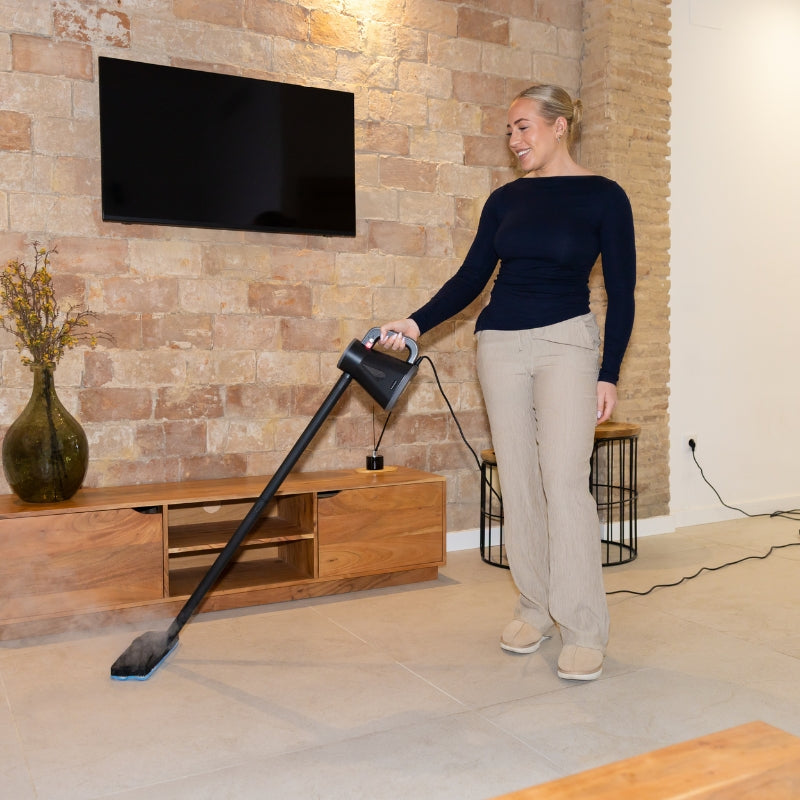
A steam cleaner for cleaning your tiles uses water heated to the right temperature—nothing else. The heat softens grease and buildup, the pressure loosens it, and you wipe it away with a cloth. No soapy water, no cleaning product, and no residue left behind.
This means you can clean hygienically without chemicals, whether you are tackling floor tiles or tiles in your living room or bathroom.
Always check the care instructions from your tile or flooring manufacturer. Test in an inconspicuous area, use the lowest effective setting, keep moving, and dry the surface afterward. The table below is a guideline.
| Tile type | Steam clean? | Why |
|---|---|---|
| Ceramic tiles, glazed | Yes, for entire tiles and grout | Fired and sealed, making them highly resistant to heat and moisture |
| Unglazed, matte ceramic tiles | Yes, provided they are impregnated | No glass glaze, so more porous than a glazed tile. If in doubt, check whether your tiles have been impregnated |
| Porcelain and porcelain stoneware | Yes, for entire tiles and grout | Fired densely and hard. For polished finishes, check the manufacturer's care advice, as it may differ |
| Glass tiles, mirrored walls, glass shower screens | Yes | Use the window squeegee. Keep away from sealant edges and coatings |
| Granite and quartzite (natural stone) | Usually yes | Do not contain lime and are hard. However, this varies by type of stone, so check the care advice |
| Marble, travertine, limestone, Belgian bluestone (natural stone) | Only if your stone supplier allows it | Containing lime and porous. Even when impregnated, there is still a risk that heat and moisture will break down the protective layer or dull the shine. Never use an acidic product here |
| Terrazzo and granito | Only with the manufacturer's approval | Marble chips in a cement- or synthetic-resin-based matrix. What is suitable depends on the composition and finish |
| Flagstones, terracotta, and slate | Only with the manufacturer's approval | Porous and almost always impregnated, oiled, or waxed. Heat can dissolve that protective layer |
| Cement tiles (Portuguese, Moroccan) | No, unless the manufacturer allows it | Porous and containing lime, with a protective layer that is quickly washed away |
| Mosaic | Depends on the material | Ceramic mosaic can often be cleaned with steam. For natural stone or glass mosaic, follow the guidelines for that material, and watch out for the adhesive and the many grout joints |
| PVC or vinyl tiles | No, unless the manufacturer allows it for your floor | Often glued, and heat can loosen the adhesive or deform the top layer. This also applies to click-lock PVC |
| Tiles with hairline cracks or damage | No | Moisture gets underneath the tile. Have the tiles, grout, and substrate assessed first |
| Caulk lines and silicone grout | No | The high steam pressure removes the caulk. Clean caulk lines with a soft cloth |
The process is the same for every surface. What changes is the attachment and the direction in which you work. Where it matters, it is specified for each type of tile.
1. Check your surface. Are the tiles and grout intact, and is steaming suitable for this material? See the table above. Keep away from caulk lines and silicone grout.
2. Remove loose dirt first. Loose dirt does not belong on your steam cloth. If you take it along, you will scrub it across your tiles and your cloth will be full after two strips.
3. Fill the reservoir and let it heat up. Use clean water, or demineralized water if you live in an area with hard water. This keeps limescale out of the appliance and also helps prevent marks on dark tiles.
| Model | Heating time | Water tank | Steaming time | Steam temperature |
|---|---|---|---|---|
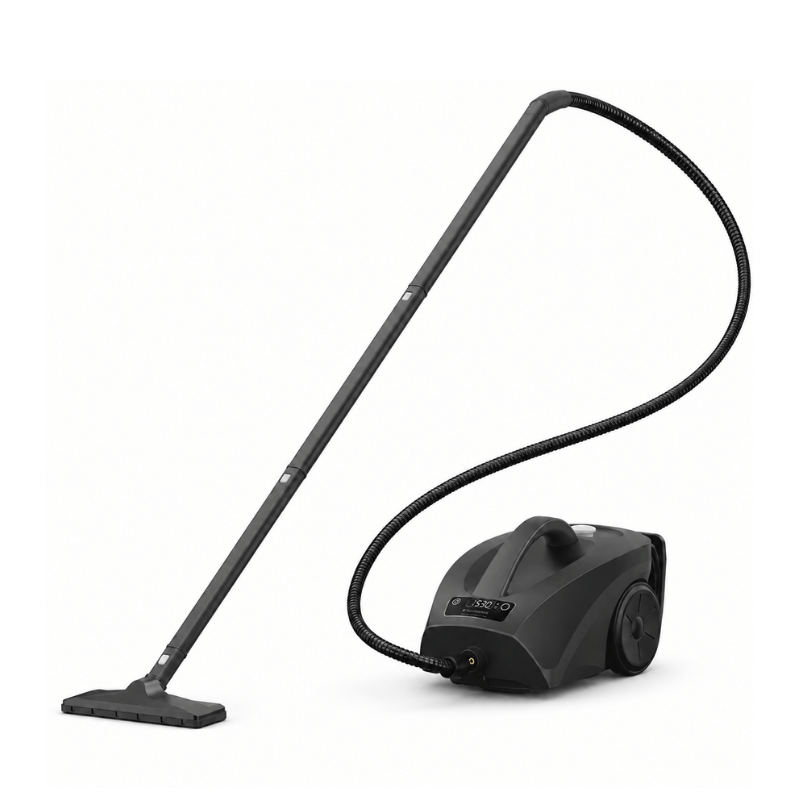
| TS Compact | about 10 seconds | 900 ml | Refill during use | about 125 °C |
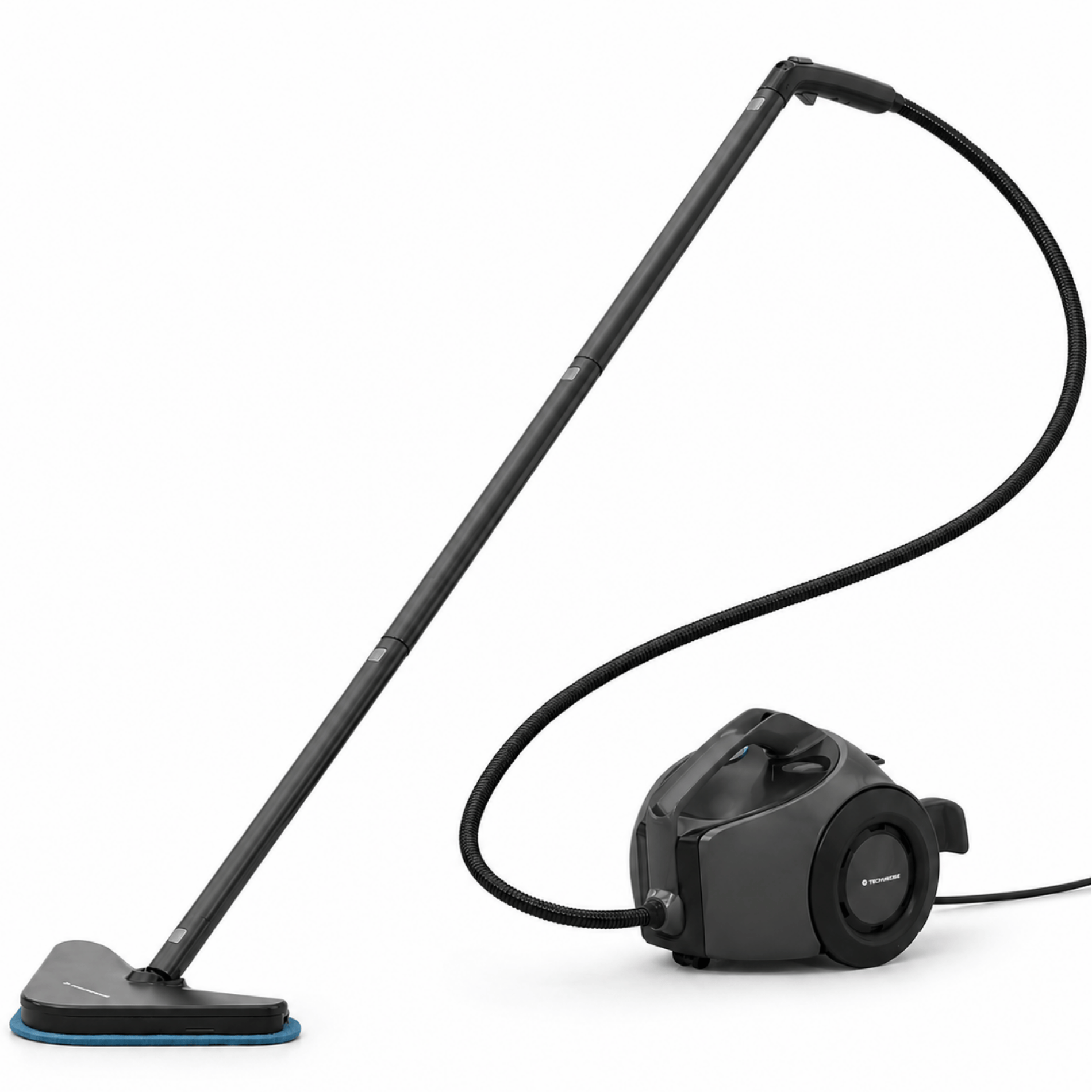
| TS1 | about 2–8 minutes | 1.5 liters | about 40 minutes | about 100 °C |
| TS2 Performance | about 2–8 minutes | 1.6 liters | about 50 minutes | about 100 °C |
| TS3 Edge | about 1 minute | 2.5 liters | Refill during use | 125+ °C |
How much you can clean with one tank depends on your setting, nozzle, and how often you press the trigger. If you want to keep working without waiting for the appliance to heat up again, the TS Compact and TS3 Edge are the models you can refill while steaming.
4. Steam the condensation away from yourself. Into the sink or a bucket, until only steam comes out. After heating up, condensation water remains in the hose. If you put the cloth on immediately, it absorbs the water and becomes soaked before you have finished the first strip. This is the step that makes the difference between a damp and a wet surface.
5. Choose the attachment that suits the surface.
6. Work in small sections and keep moving. Clean one section, wipe it, and move on. Do not stay in one place, and use only as much steam as you need to loosen the dirt.
7. Wipe away loosened dirt immediately. A steam cleaner does not suck anything up. If the dirt remains, it will simply dry back onto the surface. Change the cloth as soon as it is full: a full cloth no longer cleans; it only moves dirt around. For an average residential floor, you will quickly need two or three, so lay them out before you start.
8. Dry where necessary.
Grout requires a different approach: use a small nylon brush on the precision nozzle instead of the floor attachment. To learn why your grout is usually discolored rather than dirty, and what to do about mold, read cleaning grout with a steam cleaner.
Most people who switch say the same thing afterward: only when they started steam cleaning did they realize how much dirt was still on the tile. There are three reasons for this.
Heat softens grease. A solution of lukewarm water and cleaner has to loosen grease chemically, and only does so partially, especially on the kitchen wall or the floor in front of the stove. Steam at around 100 to 125°C or higher, depending on the model, softens it so you can remove it.
It reaches dirt in grout and surface texture more effectively. A cloth mainly works on the smooth surface. A targeted jet of steam with a small brush reaches into the grout and the texture of matte tiles. That is where the dirt remains visible after mopping.
You do not mop with dirty water. When mopping, you rinse the mop in the same bucket containing the dirt. Halfway across the floor, you spread gray water around. With steam cleaning, the dirt goes into the cloth and stays there, and you switch cloths when one is full.
| Method | Where it performs well | Where it falls short |
|---|---|---|
| Bucket, mop, and all-purpose cleaner | Fast, everyone has one | Leaves a thin film, spreads dirty water, mainly cleans the smooth surface |
| Spray mop or disposable wipes | Convenient for quick touch-ups | Surface-level only, no heat, ongoing costs |
| Scrubbing with a brush and cleaner | Works on one stubborn spot | Physically demanding and time-consuming, and not sustainable over large areas |
| Vinegar or citric acid | Inexpensive, works on limescale | Acidic, and damages cement grout and limestone |
| Baking soda | Inexpensive, degreases | Alkaline and mildly abrasive, may cause dull spots |
| Wet-dry vacuum | Vacuums up dirty water immediately, fast on large areas | Generally does not provide the same targeted heat for grease and embedded dirt |
| Steam cleaner | Heat and moisture on grease and dirt, without cleaning products, little residual moisture | Does not vacuum up dirt, needs to heat up, not suitable for every tile |
For many households, the combination is the answer: a wet-dry vacuum or broom for loose dirt, and steam for dirt that is stuck on.
Read more
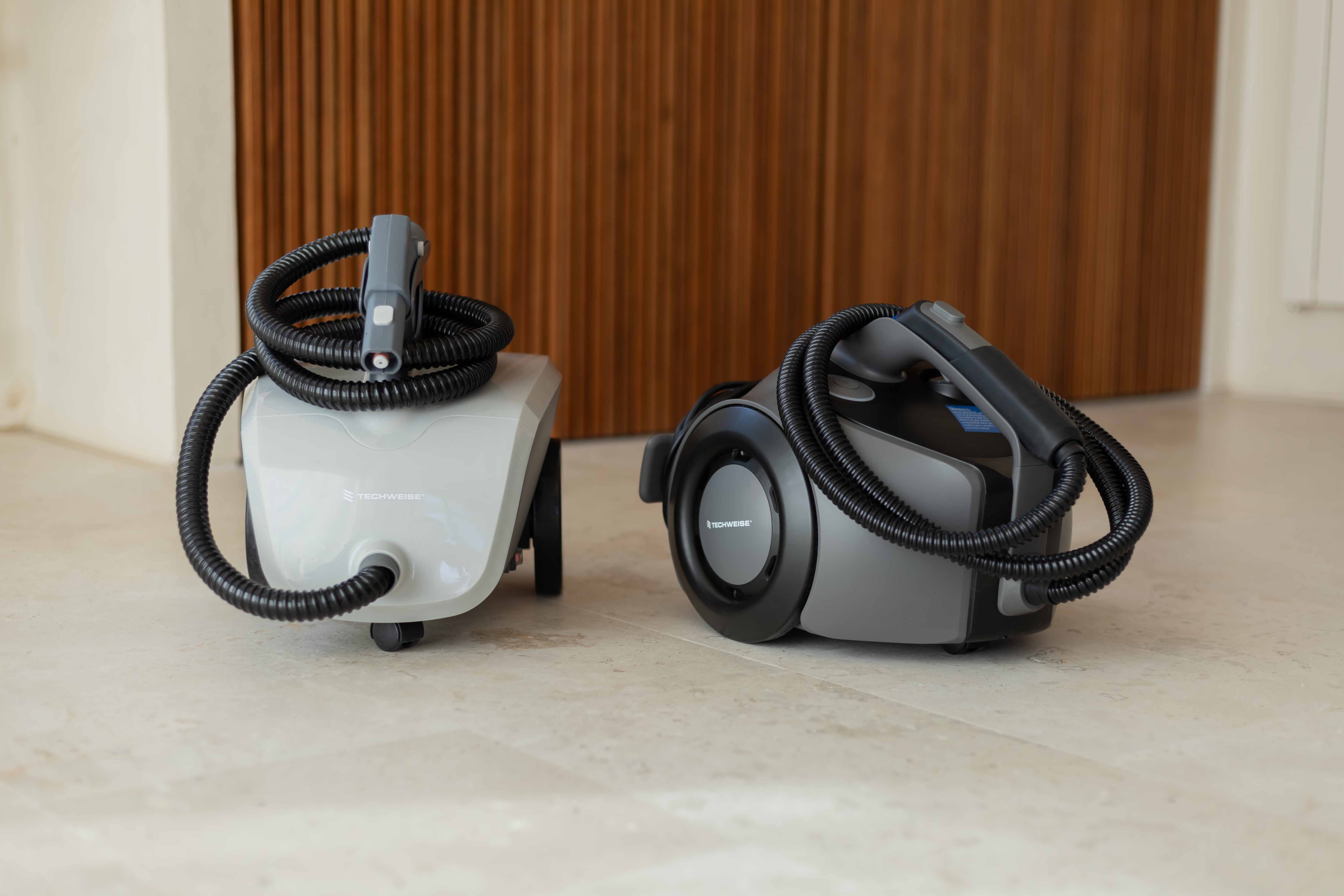
5 Best Steam Cleaners for a Spotless Home in 2026 Hi! Welcome to this comprehensive article where we answer the question: “Which steam cleaner is the best?” Whether you want to remove stubborn...
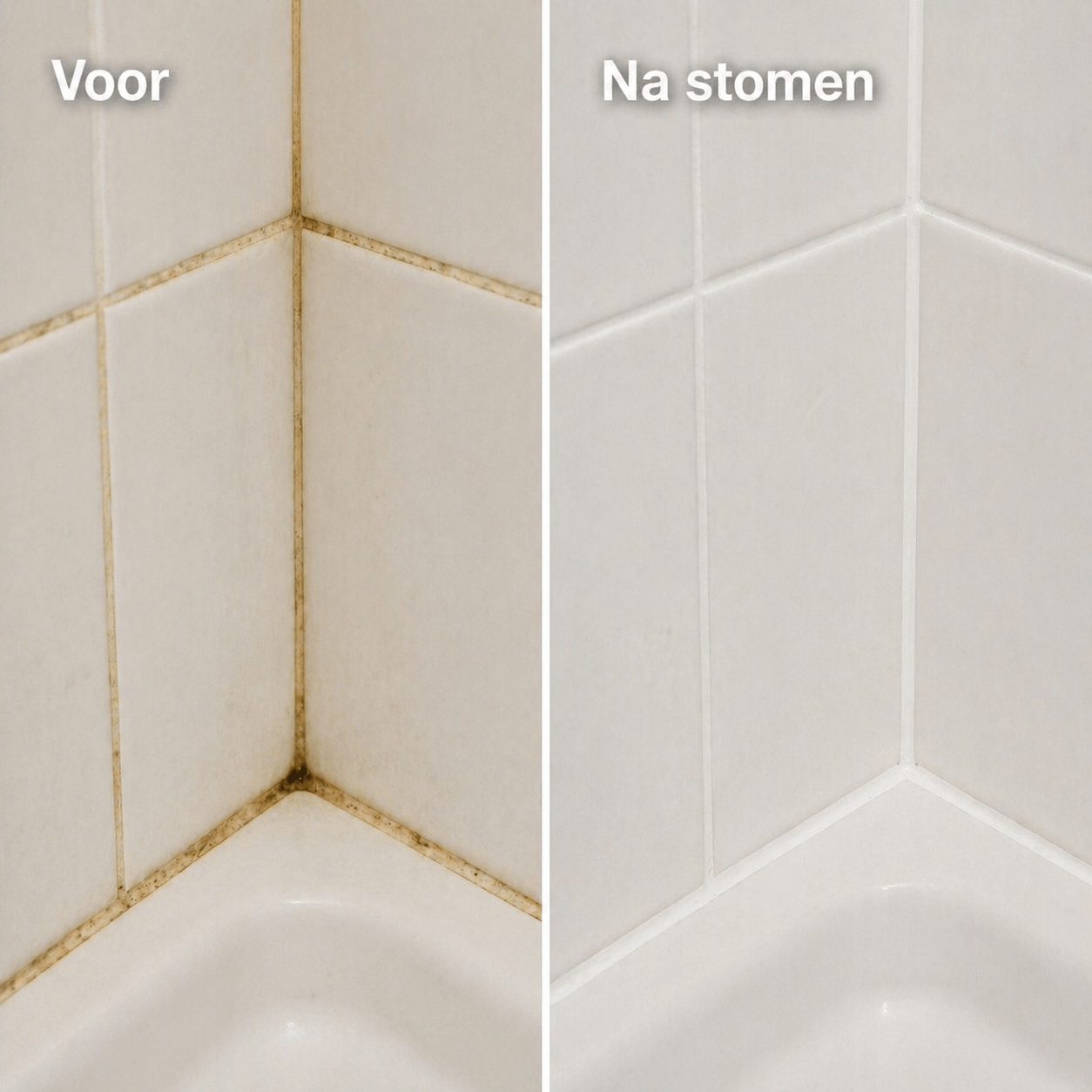
Do you clean the tiles, but the grout remains gray? Then the dirt is not on the grout but inside it. With most grout, you simply cannot reach it with a cloth or spray. Cleaning your grout with a st...
Cleaning can be so much better. Our powerful products, which you can rely on for years, prove it.