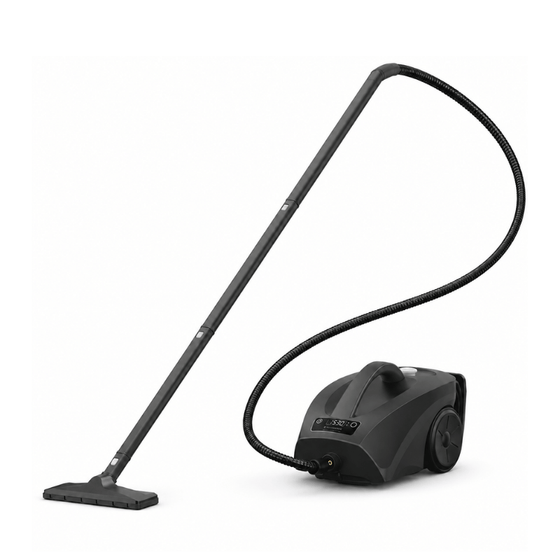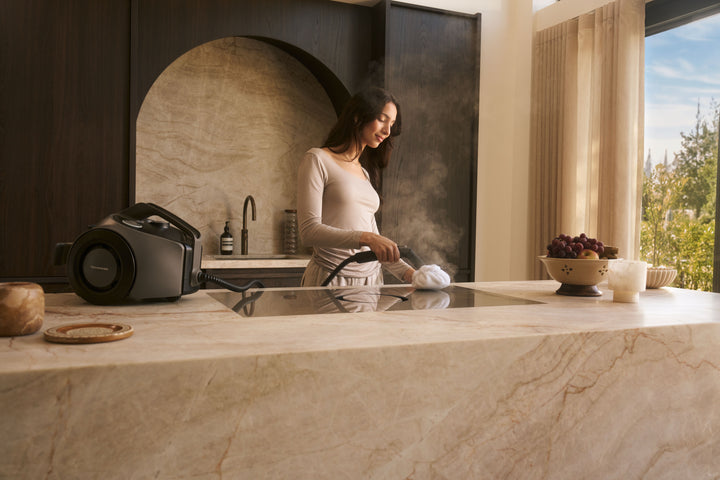

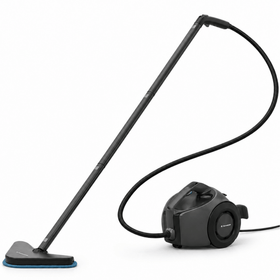
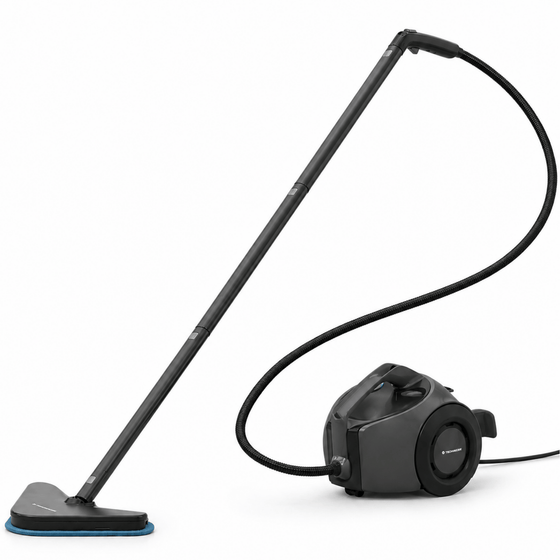

Most popular for the weekly deep clean
€ 269,95€ 159,95

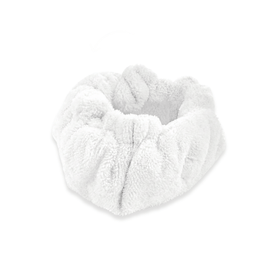
 Furniture/upholstery accessory for steam cleanersPerfect for disinfecting
 Additional set of 8 brushes TS1 and TS2 Steam CleanerSuitable for all hard surfaces
 2 mop cloths for TS1<tamp>and TS2 steam cleaners</tamp>Suitable for all types of floors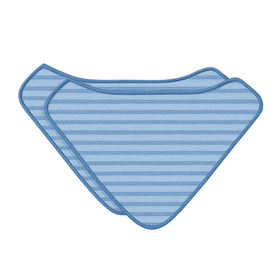
Shop accessories by model
Your shopping cart is empty

Popular searches
This is searched for a lot
Most popular for the weekly deep clean
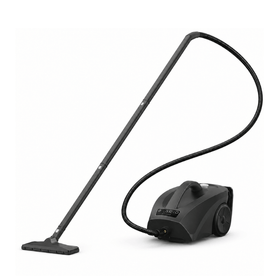
For large homes and heavy-duty jobs
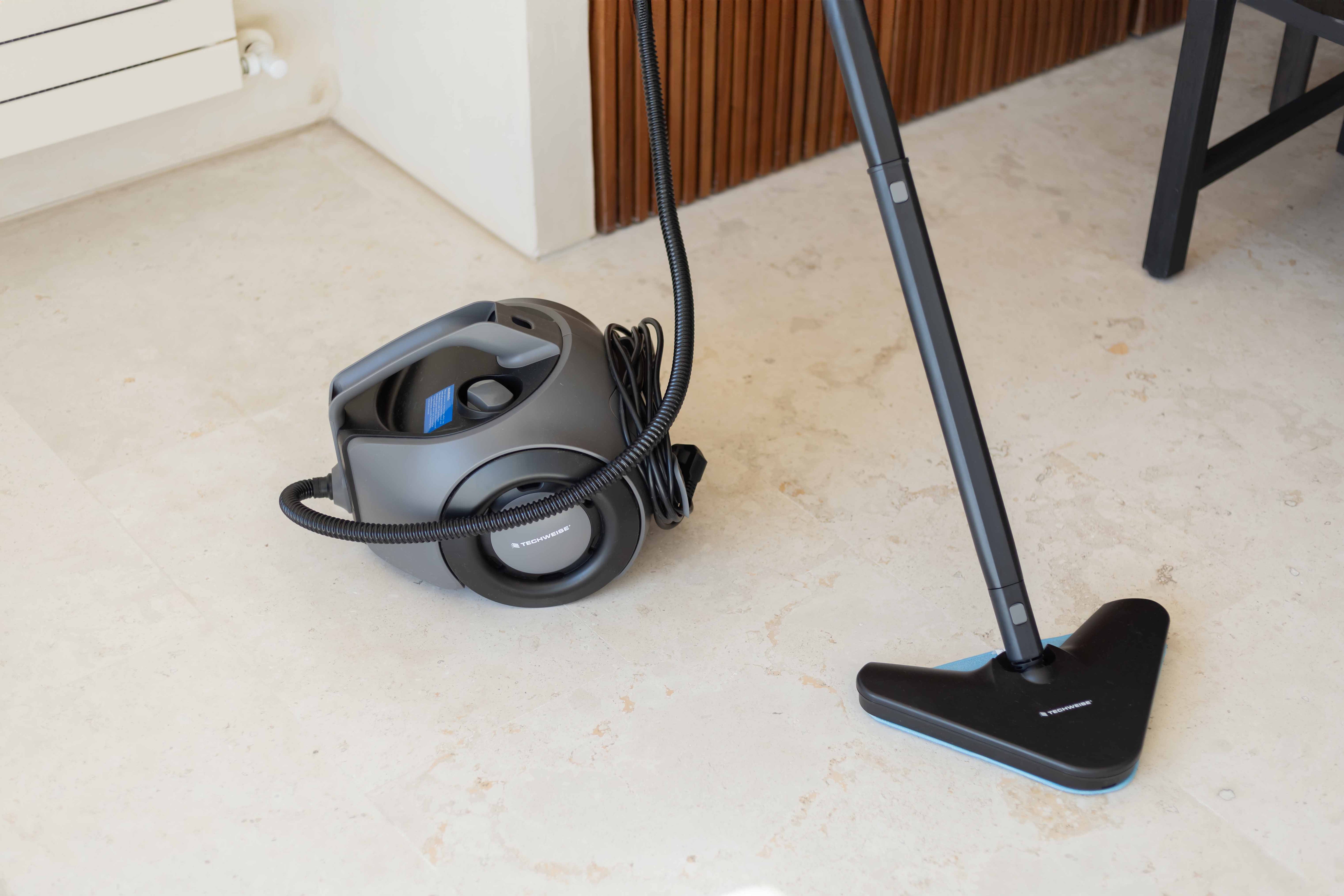
Usage Tips for the TS2 Performance Steam Cleaner
To clean the mattress, follow exactly the same procedure as when cleaning the sofa. Use the triangular brush and the white anti-scratch cloth. Then move slowly back and forth to remove bacteria, dirt, and dust.
1. Use a small brush. Attach it to the jet nozzle (see the manual).
2. Then scrub back and forth over the surface you want to clean.
3. Dealing with heavy, stubborn dirt that won’t all come off? You can always use a little bleach. Only do this as a last resort.
4. Enjoy your clean grout!
You can use the steam cleaner to clean various types of sofas, but it is important to consider the sofa’s material. Here are some guidelines:
Suitable for steam cleaning:
Not suitable or requires caution:
Tips for safe use:
Suitable for steam cleaning:
Low-pile carpets can be steam-cleaned more easily because the moisture does not penetrate as deeply into the fibers.
Stain-resistant carpets
Carpets with a special coating or impregnation for stain protection are generally suitable, but check the manufacturer’s recommendations.
You can remove loose dirt with water and dish soap. To disinfect the brushes, place them in boiling water for 5 minutes. This will kill bacteria. The anti-scratch cloth and mop pads can be washed at 60 degrees.
No, steam and sealant joints are not a good match. The high steam pressure can remove the sealant. Always try to clean sealant joints with a soft cloth.
1. Attach the window squeegee to the main nozzle.
2. Important: First steam the surface from a short distance away so the glass can adjust to the heat.
3. Move the squeegee with steam from top to bottom across the windows. Hold the squeegee at a slight angle so the windows are cleaned without streaks.
4. Move the squeegee without steam over the steamed surface to dry the windows.
5. If necessary, remove any remaining drops with a microfiber cloth.
This is not a defect; it indicates after heating that the boiler is keeping the water warm. Once it has heated up, you no longer need to pay attention to this.
Cleaning can be so much better. Our powerful products, which you can rely on for years, prove it.