
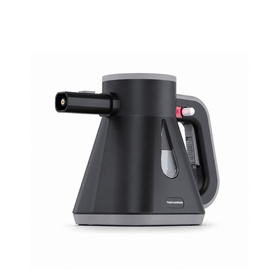
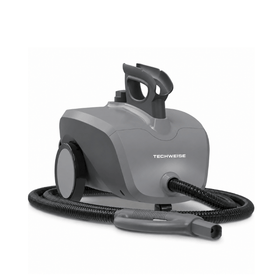
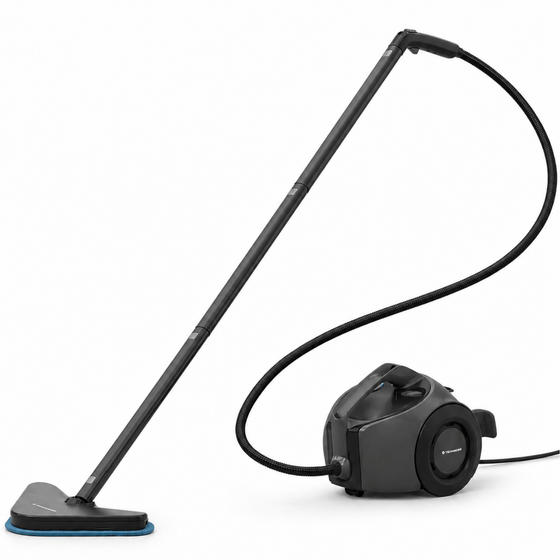

Most popular for the weekly deep clean
€ 269,95€ 179,95

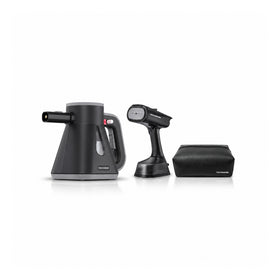 TS1 Steam DuoSteam cleaner and garment steamer in one value bundle
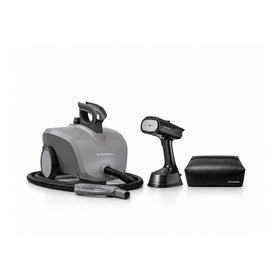 TS2 Performance Steam DuoThe TS2 Performance Steam Duo pairs the TS2 Performance S...
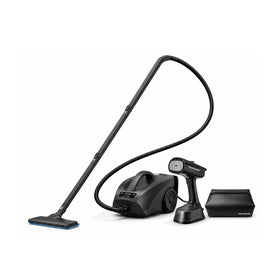
 TS3 Edge Steam DuoOur most powerful steam cleaner plus garment steamer
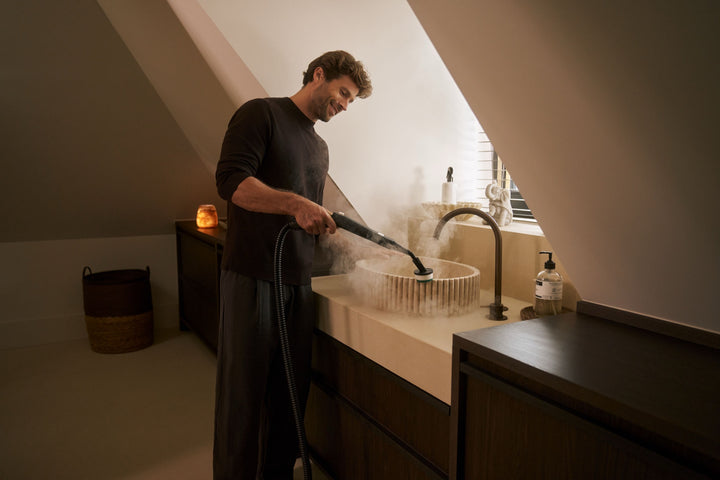
 Furniture/upholstery attachment for steam cleanersPerfect for disinfecting
 Extra Set of 8 Brushes for TS1 and TS2 Steam CleanerSuitable for all hard surfaces
 2x mop pad for TS1 & TS2 Steam CleanersSuitable for all floor types

Shop accessories by model
Your cart is empty
Popular searches
Popular searches
Most popular for the weekly deep clean
For large households and heavy-duty jobs
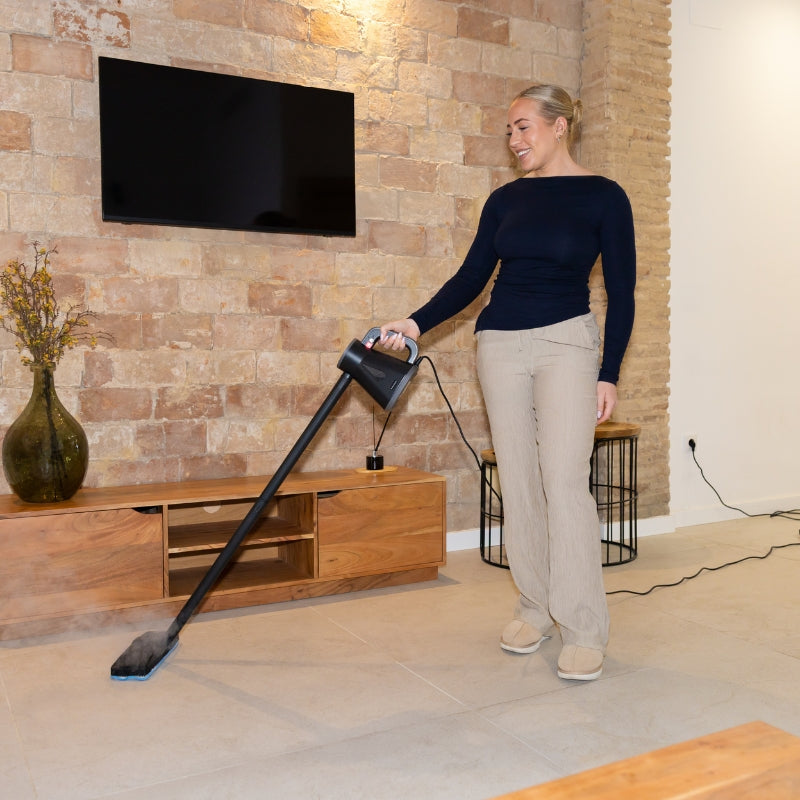
A steam cleaner cleans your tiles with heated water and nothing else. The heat softens grease and grime, the pressure loosens it, and you wipe it away with a cloth. No soapy water, no cleaning products and no residue left behind.
So you get a hygienic clean without chemicals, on floor tiles and on the tiles in your living room or bathroom.
Always check the care instructions from your tile or flooring manufacturer. Test on an inconspicuous spot, use the lowest setting that works, keep moving and dry the surface afterwards. The table below is a set of guidelines.
| Tile type | Steam? | Why |
|---|---|---|
| Ceramic tiles, glazed | Yes, on intact tiles and grout lines | Fired and sealed, so they stand up well to heat and moisture |
| Unglazed, matt ceramic tiles | Yes, if sealed | No glaze, so more porous than a glazed tile. If in doubt, check whether your tiles have been sealed |
| Porcelain and gres porcellanato | Yes, on intact tiles and grout lines | Densely fired and hard. For polished finishes, check the manufacturer's care advice, as it may differ |
| Glass tiles, mirrored walls, glass shower screens | Yes | Use the window squeegee. Keep away from silicone sealant and coatings |
| Granite and quartzite (natural stone) | Usually, yes | Contain no lime and are hard. They do vary by type of stone, so check the care advice |
| Marble, travertine, limestone, Belgian bluestone (natural stone) | Only if your stone supplier allows it | Calcareous and porous. Even when sealed, there's a risk that heat and moisture will break down the protective layer or dull the shine. Never use an acidic cleaner here |
| Terrazzo and granito | Only with the manufacturer's approval | Marble chips in a cement or resin-bound base. What's suitable depends on the composition and the finish |
| Quarry tiles, terracotta and slate | Only with the manufacturer's approval | Porous, and almost always sealed, oiled or waxed. Heat can dissolve that protective layer |
| Cement tiles (Portuguese, Moroccan) | No, unless the manufacturer allows it | Porous and calcareous, with a protective layer that washes out quickly |
| Mosaic | Depends on the material | Ceramic mosaic is often fine. With natural stone or glass mosaic, the rules for that material apply, and watch out for the adhesive and the many grout lines |
| PVC or vinyl tiles | No, unless the manufacturer allows it for your floor | Often glued, and heat can loosen the adhesive or warp the top layer. This also applies to click PVC |
| Tiles with hairline cracks or damage | No | Moisture gets under the tile. Have the tiles, grout and subfloor checked first |
| Silicone sealant | No | The high steam pressure removes the sealant. Clean silicone sealant with a soft cloth |
The steps are the same for every surface. What changes is the attachment and the direction you work in. Where that matters, we've noted it for each type of tile.
1. Check your surface. Are the tiles and grout intact, and can this material handle steam? See the table above. Keep away from silicone sealant.
2. Remove loose dirt first. Loose dirt doesn't belong in your steam cloth. If you pick it up, you'll scrub it across your tiles and your cloth will be full after two passes.
3. Fill the water tank and let it heat up. Use clean water, or demineralised water if you live in a hard water area. It keeps limescale out of the unit and helps on dark tiles too.
| Model | Heat-up time | Water tank | Steam time | Steam temperature |
|---|---|---|---|---|
| TS Compact | approx. 10 seconds | 900 ml | Refill while you clean | approx. 125°C |
| TS1 | approx. 2-8 minutes | 1.5 litres | approx. 40 minutes | approx. 100°C |
| TS2 Performance | approx. 2-8 minutes | 1.6 litres | approx. 50 minutes | approx. 100°C |
| TS3 Edge | approx. 1 minute | 2.5 litres | Refill while you clean | 125+ °C |
How much you get done with one tank depends on your setting, your nozzle and how often you press the trigger. Want to keep going without waiting for the unit to heat up again? The TS Compact and the TS3 Edge are the models you can refill while you clean.
4. Steam the condensation away from you. Into the sink or a bucket, until only steam comes out. After heating up, there's condensed water in the hose. If you attach the cloth straight away, it soaks up that water and gets drenched before you've finished your first pass. This is the step that makes the difference between a damp surface and a wet one.
5. Choose the right attachment for the surface.
6. Work in small sections and keep moving. Do a section, wipe it, move on. Don't stay in one spot, and only use as much steam as you need to loosen the dirt.
7. Wipe away loosened dirt straight away. A steam cleaner doesn't pick anything up. If you leave the dirt, it simply dries back on. Change your cloth as soon as it's full: a full cloth no longer cleans, it just moves dirt around. For an average floor of a home, you'll easily need two to three, so have them ready before you start.
8. Dry off where needed.
Grout lines need their own approach, using a small nylon brush on the precision nozzle instead of the floor head. To find out why your grout is usually dirty rather than discoloured, and what to do about mould, read cleaning grout with a steam cleaner.
Most people who make the switch say the same thing afterwards: it was only when they started steaming that they saw how much was still left on their tiles. There are three reasons for that.
Heat softens grease. Lukewarm soapy water has to break down grease chemically, and it only half manages, especially on the kitchen splashback or the floor in front of the cooker. Steam at around 100 to 125°C or higher, depending on the model, softens it so you can wipe it away.
It gets into grout lines and textured surfaces better. A cloth mainly works on the smooth surface. A targeted jet of steam with a small brush reaches into the grout and the texture of matt tiles. That's where the dirt you still see after mopping is hiding.
You don't mop with dirty water. When you mop, you rinse the mop in the same bucket that holds the dirt. By halfway across the floor, you're spreading grey water. When you steam, the dirt goes into the pad and stays there, and you swap pads when it's full.
| Method | What it's good at | Where it falls short |
|---|---|---|
| Bucket, mop and all-purpose cleaner | Quick, everyone has one | Leaves a thin film, spreads dirty water, mainly cleans the smooth surface |
| Spray mop or disposable wipes | Handy for quick cleans | Surface only, no heat, ongoing costs |
| Scrubbing with a brush and cleaner | Works on a single stubborn spot | Physically hard work and time-consuming, impossible to keep up on large areas |
| Vinegar or citric acid | Cheap, works on limescale | Acidic, and attacks cement grout and limestone-based tiles |
| Soda crystals | Cheap, cuts through grease | Alkaline and slightly abrasive, can leave dull patches |
| Wet-dry vacuum | Picks up dirty water straight away, quick on large areas | Usually doesn't deliver the same targeted heat on grease and ground-in dirt |
| Steam cleaner | Heat and moisture tackle grease and dirt, no cleaning products, little residual moisture | Doesn't pick up water, needs to heat up, not suitable for every tile |
For many households, the answer is a combination: a wet-dry vacuum or broom for loose dirt, and steam for the dirt that's stuck on.
Read more
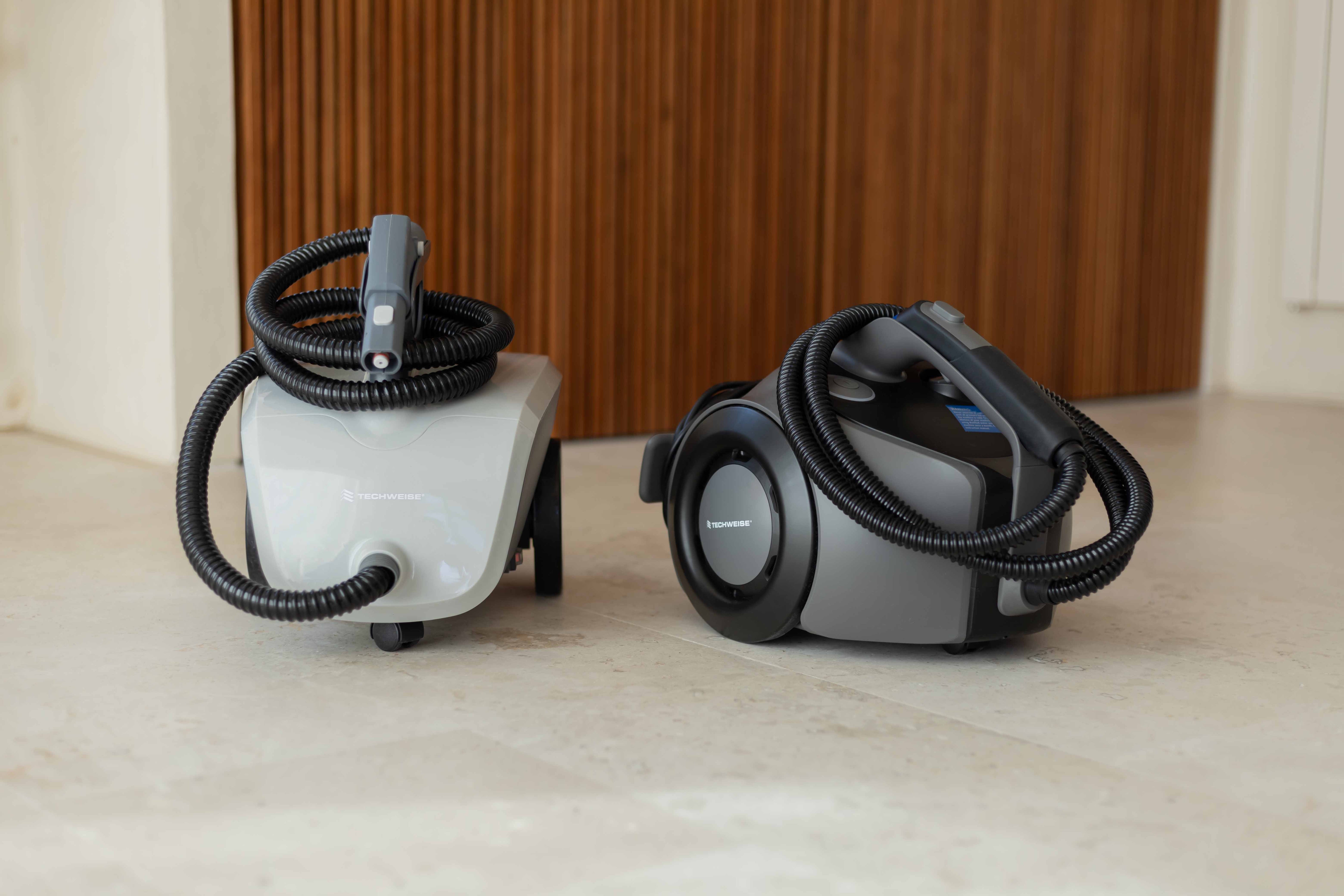
Hi! Welcome to this in-depth article, where we answer the question: "Which steam cleaner is the best?" If you want to remove stubborn stains, kill bacteria or simply keep your home spotless, a high...
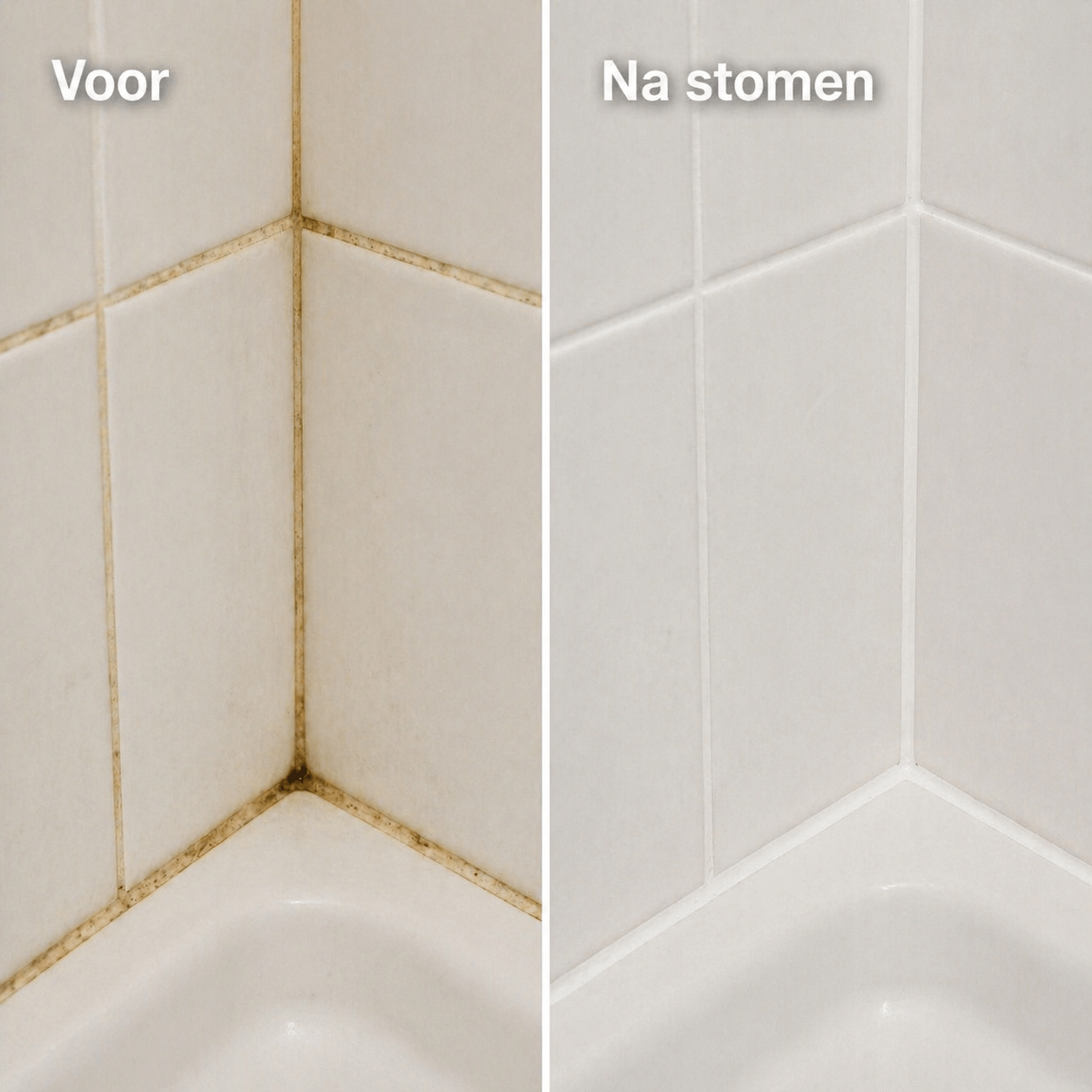
Cleaned your tiles, but the grout's still grey? Then the dirt isn't on the grout, it's in it. With most grout, a cloth or spray simply can't reach it. Cleaning grout with a steam cleaner is often t...
Cleaning can be so much better. Our powerful products, built to last for years, are the proof.