

Most popular for the weekly deep clean
£239.00£128.00

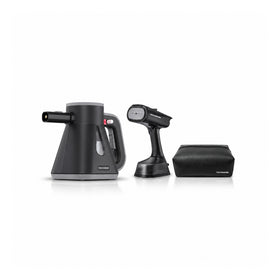 TS1 Steam DuoSteam cleaner and garment steamer in one value bundle
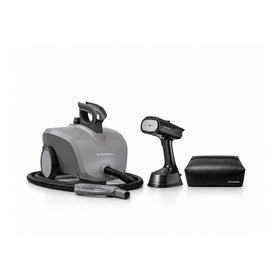 TS2 Performance Steam DuoThe TS2 Performance Steam Duo pairs the TS2 Performance S...
 TS3 Edge Steam DuoOur most powerful steam cleaner plus garment steamer
 Furniture/upholstery accessory for steam cleanersPerfect for disinfecting
 Additional set of 8 brushes TS1 and TS2 Steam CleanerSuitable for all hard surfaces
 2 mop cloths for TS1<tamp>and TS2 steam cleaners</tamp>Suitable for all floor types

Shop accessories by model
Your cart is empty
Popular searches
Popular searches
Most popular for the weekly deep clean
For large households and heavy-duty jobs
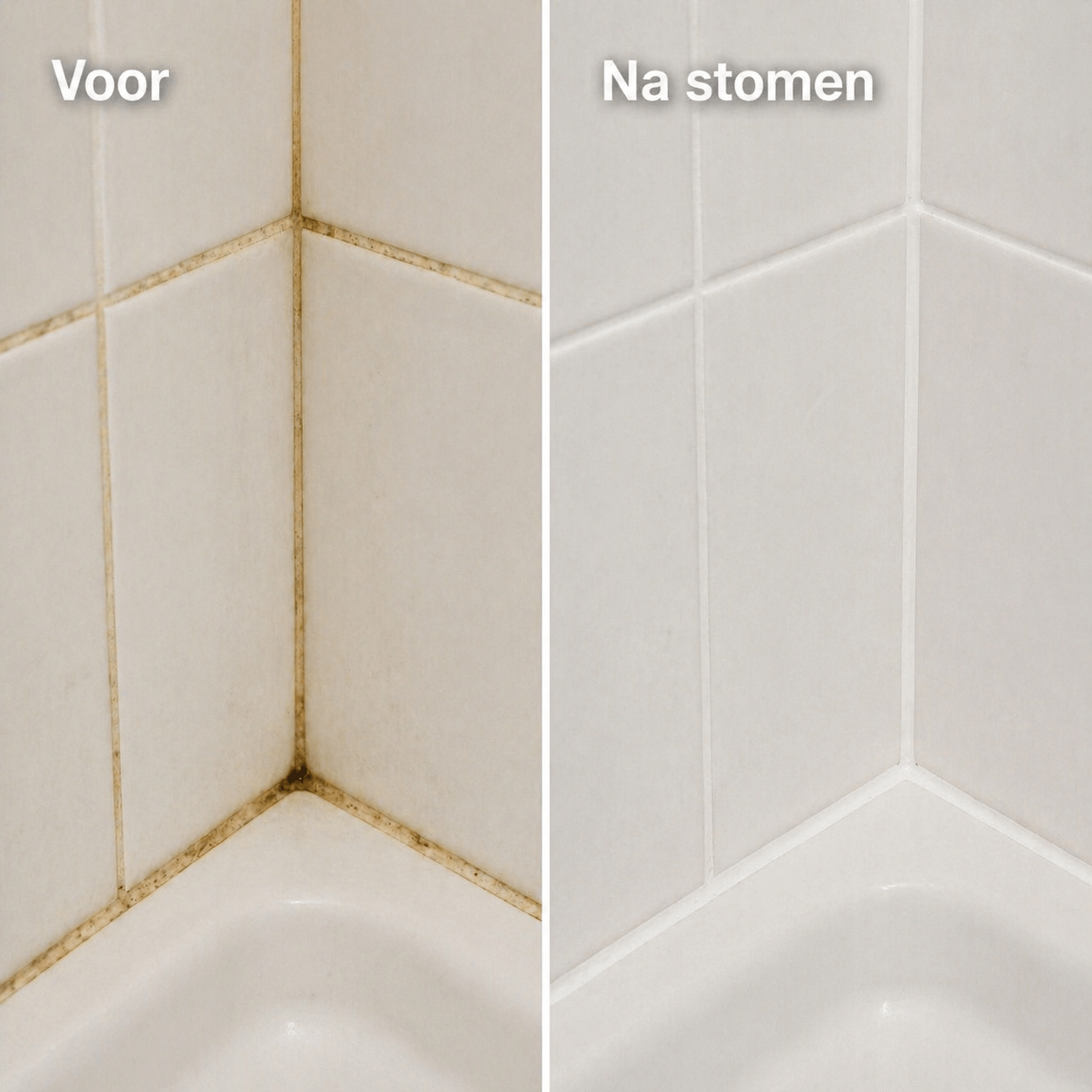
Cleaned your tiles, but the grout's still grey? Then the dirt isn't on the grout, it's in it. With most grout, a cloth or spray simply can't reach it.
Cleaning grout with a steam cleaner is often the answer. The heat softens the dirt, the pressure pushes it out and a small brush lifts it to the surface. It doesn't work on every type of grout or every problem. Below, you'll find what's in your grout, what steam can do about it and how to tackle it. Looking for a steam cleaner for grout? At the bottom, you'll see which model suits you.
|
What you see |
What it usually is |
What steam does for this grout |
|---|---|---|
|
Grey, dull grout on floors or in the kitchen |
Dirt, grease and soap residue in the pores |
Loosens it. This is where steam works best |
|
Black or green spots, especially in the bathroom |
Mould or damp staining |
Removes it from the surface. If it's deep in the grout or the silicone sealant, the discolouration will remain |
|
White, crusty layer |
Limescale |
Doesn't dissolve it. It does shift the grease and soap around it |
|
Grout stays dark after drying |
Discoloured material |
Steam won't help any more. Consider grout paint or regrouting |
Tip for a quick test: steam a small, inconspicuous patch and let it dry completely. Is it lighter? Then there was dirt in it. Still just as dark? Then the grout itself is discoloured.
Always check the care instructions from your tile or floor manufacturer. Test on an inconspicuous spot, use the lowest setting that works and keep moving. The table below is a guide:
| Type of grout | Steam it? | Why |
|---|---|---|
| Cement grout, intact and undamaged | Yes | Porous, so steam reaches the dirt inside. This is the standard grout between tiles |
| Epoxy grout | Yes, as long as you keep moving | Dense and non-porous, so little dirt soaks in. Epoxy resin can soften with sustained heat, though, so don't stay in one spot |
| Grout in ceramic or porcelain mosaic | Yes, but allow more time | Lots of grout per square metre. Work in smaller sections |
| Grout between natural stone, quarry tiles or cement tiles | Only if your supplier allows it | Steam itself doesn't etch the stone, but the tile's finish and protective coating determine what's safe. When you steam, you'll always touch the edge of the tile |
| Crumbling or damaged cement grout | No | Does sand come away when you rub it, or is a piece missing? Then moisture gets behind the tile. Repair the grout first |
| Silicone sealant and silicone joints | No | The high steam pressure removes the silicone sealant. These are the flexible edges in corners, along the bath and between the basin and the wall |
| Joins in laminate or tile-effect PVC | No | These aren't grout lines but joins. Moisture seeps in and the floor can swell |

A steam cleaner does a lot, but not everything. In these three situations, it won't help much.
Stubborn limescale. This is the main limitation. Limescale is calcium carbonate, and heat and water alone won't dissolve it. Steam does loosen the grease and soap residue around the limescale, so a lot of it often disappears. But a thick, dried-on layer of limescale will stay put and needs a product made for the job. Check carefully that the product is suitable for your tiles and grout.
Silicone sealant. Steam loosens the sealant, so clean silicone sealant with a soft cloth instead. If there's mould in the sealant, cleaning won't help: the mould has grown into the material and replacing the sealant is the only solution.
Permanently discoloured grout. If grout has been damaged by mould or an acidic product, the colour of the material itself has changed. At that point, steam won't fix it. Your options are grout paint or having the tiles regrouted.
1. Check your grout. Is it intact, and can this material handle steam? See the table above. Keep away from silicone sealant.
2. Fill the water tank and let it heat up. Use clean tap water, or demineralised water if you live in a hard water area. The heat-up time depends on your model: the TS Compact is ready in about 10 seconds, the TS3 Edge in about a minute. With the TS1 and TS2, allow two to eight minutes.
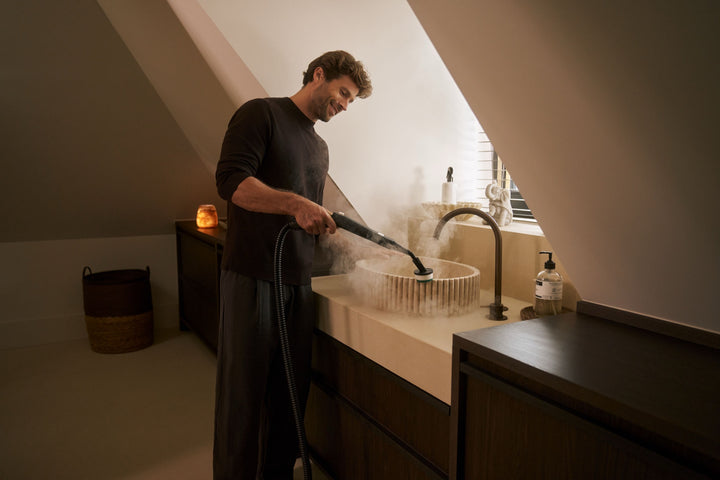
3. Steam off the condensation, pointing away from you. Do this into the sink until only steam comes out. If you skip this step, you'll spray water onto your grout instead of steam. The dirt gets wet, but it won't come loose.
4. Click a small nylon brush onto the precision nozzle. Without a brush, you're only blowing. Our models come with a brush set, so you can get started right away. Always start with nylon, as brass and steel brushes are meant for heavy-duty jobs on tough surfaces such as the barbecue.
5. Work in sections of half a metre. Do a section of grout, wipe it, then move on. On wall tiles, work from top to bottom so loosened dirt doesn't run over areas you've already cleaned.
6. Keep moving and don't stay in one spot. Scrub gently back and forth a few times on each section, and don't press harder than you need to. This matters for two reasons. With cement grout, steaming the same spot for too long pushes hot water deeper into the porous grout, and if the room doesn't dry properly afterwards, that can actually encourage mould. With epoxy grout, the resin can soften under sustained heat. Short and even works better than long and intensive.
7. Wipe away the loosened dirt straight away. This is the step people skip most often. A steam cleaner doesn't pick anything up. The dirt sits loose on the surface, and if you leave it, it sinks back into the grout as it dries. Go over it straight away with a microfibre cloth, and refold or rinse the cloth regularly.
8. Mop the floor and let the room dry. Once you've done the grout, loosened dirt will be left on your tiles. Finish off with the floor attachment and a clean cloth. Then open a window or switch on the extractor fan, so any moisture that has soaked into the grout can dry out.
For an average bathroom floor plus the wall around the shower, allow 45 minutes to an hour the first time you give the grout a thorough clean. After that, it's much quicker.
Want to steam the tiles themselves too? Read how to clean tiles with a steam cleaner.
Wet grout always looks darker than it really is. Wait half an hour before you judge the result or go over it again. Lots of people steam grout a second time when it was already clean. If you want before-and-after photos, take both when the grout is dry and in the same light.

For grout, the wet steam setting works best, and two of our four models have it.
You'll find every model, and the attachments that come with each one, in our steam cleaners for grout. Not sure which to choose? Try Help me choose.
Read more
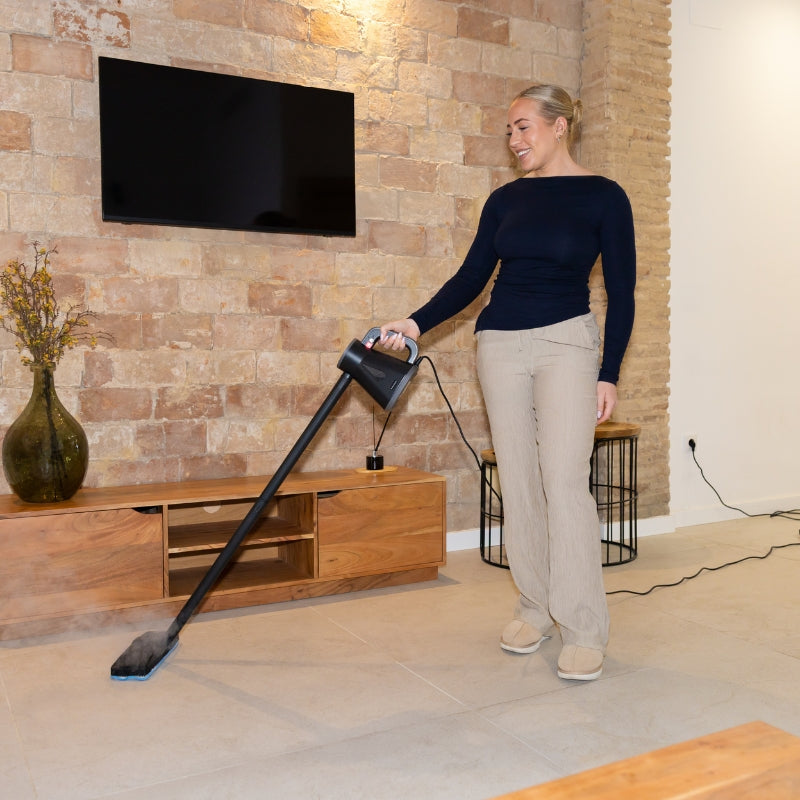
A steam cleaner cleans your tiles with heated water and nothing else. The heat softens grease and grime, the pressure loosens it, and you wipe it away with a cloth. No soapy water, no cleaning prod...

Your dining chairs are looking grubby and you're thinking about a steam cleaner. Good idea. It's an effective and sustainable way to clean chairs. In this article, you'll find out what works and wh...
Cleaning can be so much better. Our powerful products, built to last for years, are the proof.