

Most popular for the weekly deep clean
£239.00£128.00

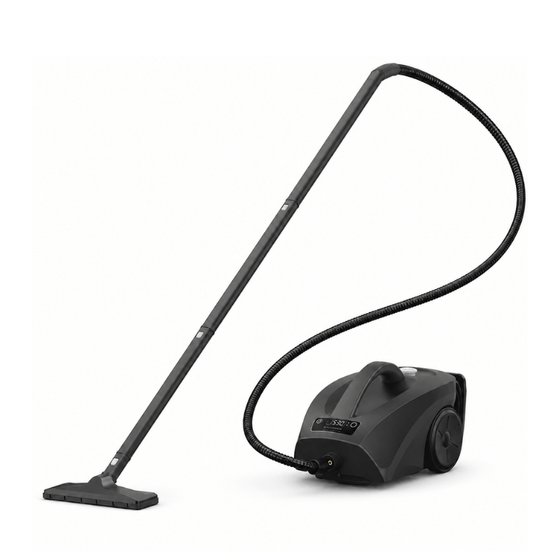
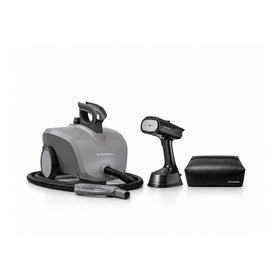
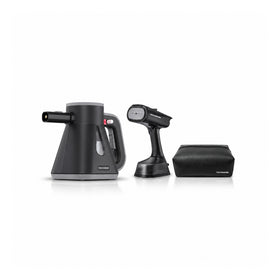 TS1 Steam DuoSteam cleaner and garment steamer in one value bundle
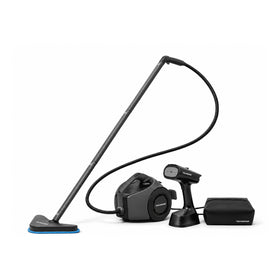
 TS2 Performance Steam DuoThe TS2 Performance Steam Duo pairs the TS2 Performance S...
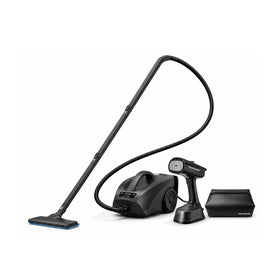
 TS3 Edge Steam DuoOur most powerful steam cleaner plus garment steamer
 Furniture/upholstery accessory for steam cleanersPerfect for disinfecting
 Additional set of 8 brushes TS1 and TS2 Steam CleanerSuitable for all hard surfaces
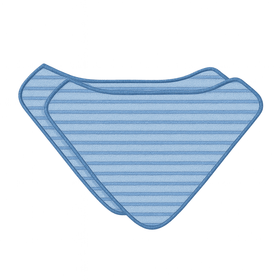
 2 mop cloths for TS1<tamp>and TS2 steam cleaners</tamp>Suitable for all floor types
Shop accessories by model
Your cart is empty
Popular searches
Popular searches
Most popular for the weekly deep clean
For large households and heavy-duty jobs
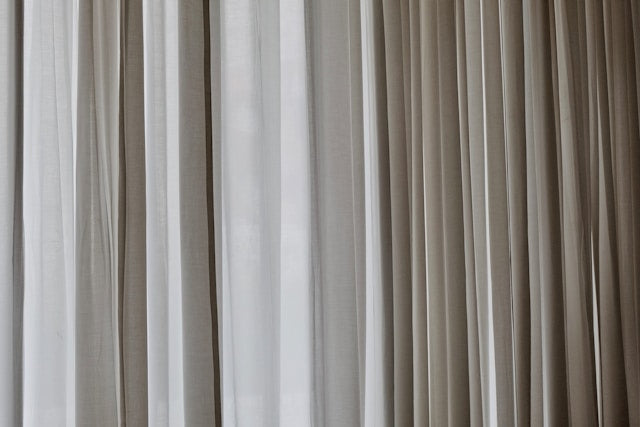
Curtains hang in the same spot for years. They collect dust, cooking smells and dust mites without you noticing straight away. Taking them down and washing them is a real job: removing the hooks, the risk of shrinkage, ironing, then hanging everything back up.
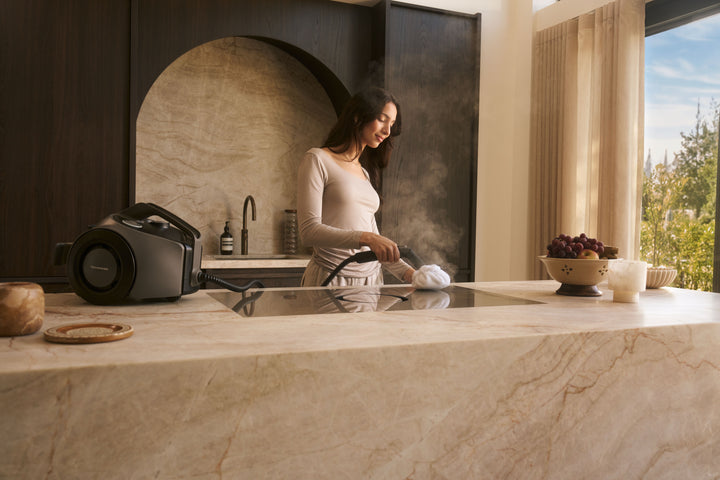
With a steam cleaner, you can skip all that. You clean your curtains while they're still hanging. The power of steam lifts dirt and odours from the fibres and helps the fabric hang softly again.
It's good to know beforehand, so you know what to expect.
What it does:
Freshens the fabric and removes odours
Removes light creases and fold lines
Tackles dust mites and bacteria with heat
Loosens surface dirt and dust
What it doesn't do:
Remove stains. A steam cleaner doesn't suck anything up. Grease and dirt are loosened, but you wipe them away yourself with a cloth afterwards.
Replace a wash for heavily soiled curtains. If they've built up years of grime, washing or dry cleaning is the first step. After that, you can keep them fresh with steam.
Always check first that your curtain can handle steam. Look at the care label, or ask the shop where you bought it. Then test for five seconds on the folded hem at the bottom and wait an hour.
Your steam cleaner, filled with clean water
The upholstery attachment with the white drying cloth wrapped around it
An extra dry microfibre cloth for wiping down afterwards
A towel to hang behind the curtain, if you like
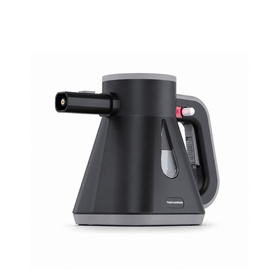
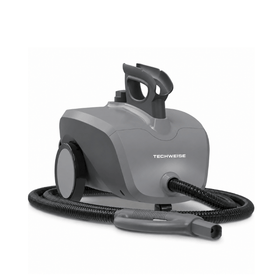
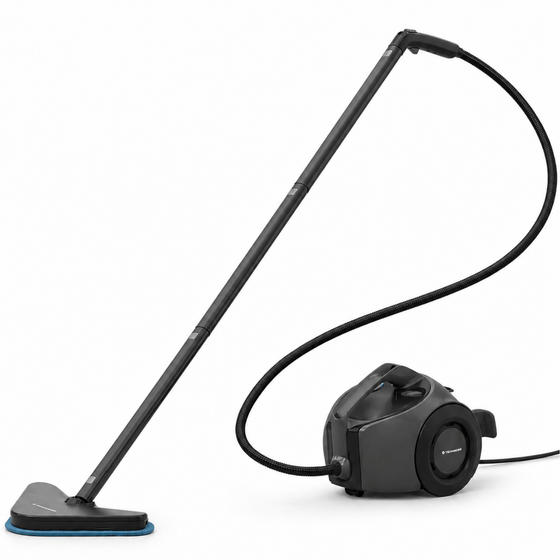
Every model works for curtains. The difference is convenience. A handheld model like the TS Compact is easier to hold up high and is ready to use in ten seconds. Using a TS1, TS2 or TS3 Edge? Fit the same upholstery attachment to the hose and keep the appliance on the floor.

Got hard water at home? Use demineralised water. It prevents limescale building up in the appliance and limescale spots on your fabric.
Don't add any cleaning products to the water tank. The steam does the work, and cleaning products damage the pipes and the boiler.
Step 1: vacuum or brush the curtain
Remove loose dust and fluff first. Otherwise the steam will set it into the fibres.
Step 2: pull the curtain slightly away from the wall
That way, no moisture gets trapped against the wallpaper or window frame. You can hang a towel behind the fabric if you like.
Step 3: fill and heat up the steamer
Fill the tank and let it heat up. On the TS Compact that takes about ten seconds, on the TS3 Edge around a minute and on the TS1 and TS2 two to eight minutes.
Step 4: steam away from yourself first
This is the step that makes the difference. The first burst contains condensation. Spray it into the sink before you start. If you don't, the water soaks into your cloth and your curtain ends up dripping wet instead of clean.
Step 5: fit the cloth around the upholstery attachment
Clip the white drying cloth around the upholstery attachment. It spreads the steam, catches loosened dirt and keeps the attachment off the fabric. Does your model have the Wet & Dry button, like the TS Compact and TS3 Edge? Then choose dry steam. It leaves less moisture on the fabric.
Step 6: work from top to bottom
Start at the rail and work downwards in slow, vertical strokes. Hold the attachment a few centimetres from the fabric, or rest it lightly against the fabric if the label allows. Gently pull the fabric taut with your free hand and the creases will drop out faster.
Step 7: wipe down and leave to dry
Go over the areas where dirt has come loose with a dry microfibre cloth. Then open a window. A thin curtain dries within half an hour, while heavy fabric can take one to two hours.
Step 8: empty the tank
Empty the water tank after every use. It prevents limescale and keeps your steamer working at full power for years.
Staying in one spot too long. Keep moving. Holding still leaves damp patches and, on some fabrics, shiny marks.
Working from the bottom up. Moisture runs downwards. Starting at the top saves you redoing work.
Using the attachment without a cloth. That puts hot metal straight onto the fabric.
For most households, two to four times a year is enough. Live on a busy road, smoke indoors, have pets or suffer from allergies? Then every two months is a good routine. Kitchen curtains need more attention, because grease settles into the fibres.
Tip: You've already got the upholstery attachment in your hand. Do your sofa and your mattress at the same time. That's all the fabrics in your home in one go.
Can I steam my curtains while they're hanging?
Yes. You steam vertically, from top to bottom, while the curtain stays hanging. There's no need to take it down.
Does steam remove stains from curtains?
No. Steam loosens dirt, but it doesn't suck anything up. You wipe away the loosened dirt yourself with a cloth. For a stain in the fabric, washing or dry cleaning is the better option.
Does steam work against dust mites in curtains?
The heat tackles dust mites and bacteria. If you have allergies, that's a good reason to do your curtains, mattress and sofa in one go.
Which appliance is best for curtains?
Every model can do it. A handheld model like the TS Compact is the most comfortable to use at height, because you're only holding the appliance itself. With the TS1, TS2 and TS3 Edge, you use the same upholstery attachment on the hose.
Can I put descaler or detergent in the water tank?
No. Just water. Descaler is used separately, to maintain the appliance. If you have hard water, use demineralised water.
Cleaning can be so much better. Our powerful products, built to last for years, are the proof.